August 14, 2026
Dogs bring companionship, energy, and loyalty into homes, but unwanted behaviors can sometimes make daily life challenging for owners. Issues such as excessive barking, leash pulling, jumping, and poor listening skills often develop because dogs do not always understand what their owners expect from them. Training provides a structured way to improve communication between pets and people while creating healthier routines. Every dog has unique behaviors influenced by age, breed, environment, and past experiences, which means a personalized approach is often the most effective solution. Professional guidance can help owners understand why certain behaviors occur and how to address them consistently. Training is not only about teaching commands but also about building confidence, focus, and trust between a dog and its family. A skilled dog trainer can introduce techniques that encourage positive habits while reducing frustrating behaviors. With patience, consistency, and proper instruction, many common challenges can be improved through effective training methods.
Improve Communication Between Dogs and Owners
Clear communication is one of the most important parts of creating a positive relationship between dogs and their owners. Dogs do not naturally understand human expectations, so they rely on consistent signals and routines to learn appropriate behaviors. Training helps owners provide clearer guidance by using commands, rewards, and consistent responses. When dogs understand what is expected, they are more likely to respond appropriately in different situations. Confusion often leads to repeated behaviors that owners may find frustrating, such as ignoring commands or reacting unpredictably. Professional instruction helps identify communication gaps and provides strategies for improving daily interactions. According to Zipdo, approximately 66,000 people are employed as animal trainers across the U.S., reflecting the demand for professional expertise in helping animals develop better behaviors. Effective communication creates a stronger bond while making training more successful. Working with a dog trainer helps owners develop methods that encourage understanding and cooperation.
Reduce Excessive Barking Behaviors
Barking is a natural way for dogs to communicate, but excessive barking can become disruptive when it happens frequently or without a clear reason. Dogs may bark because they are excited, anxious, bored, protective, or responding to environmental triggers. Understanding the cause of the barking is the first step toward creating an effective solution. Training focuses on teaching dogs when barking is appropriate and when they should remain calm. Positive reinforcement methods can encourage quieter behavior while rewarding patience and self-control. Owners also learn how to recognize situations that trigger unnecessary barking and make adjustments to reduce those reactions. Consistent training helps dogs develop better responses instead of relying on constant vocalization. A professional dog trainer can provide guidance for managing barking issues while helping owners create a calmer home environment.
Correct Leash Pulling Problems
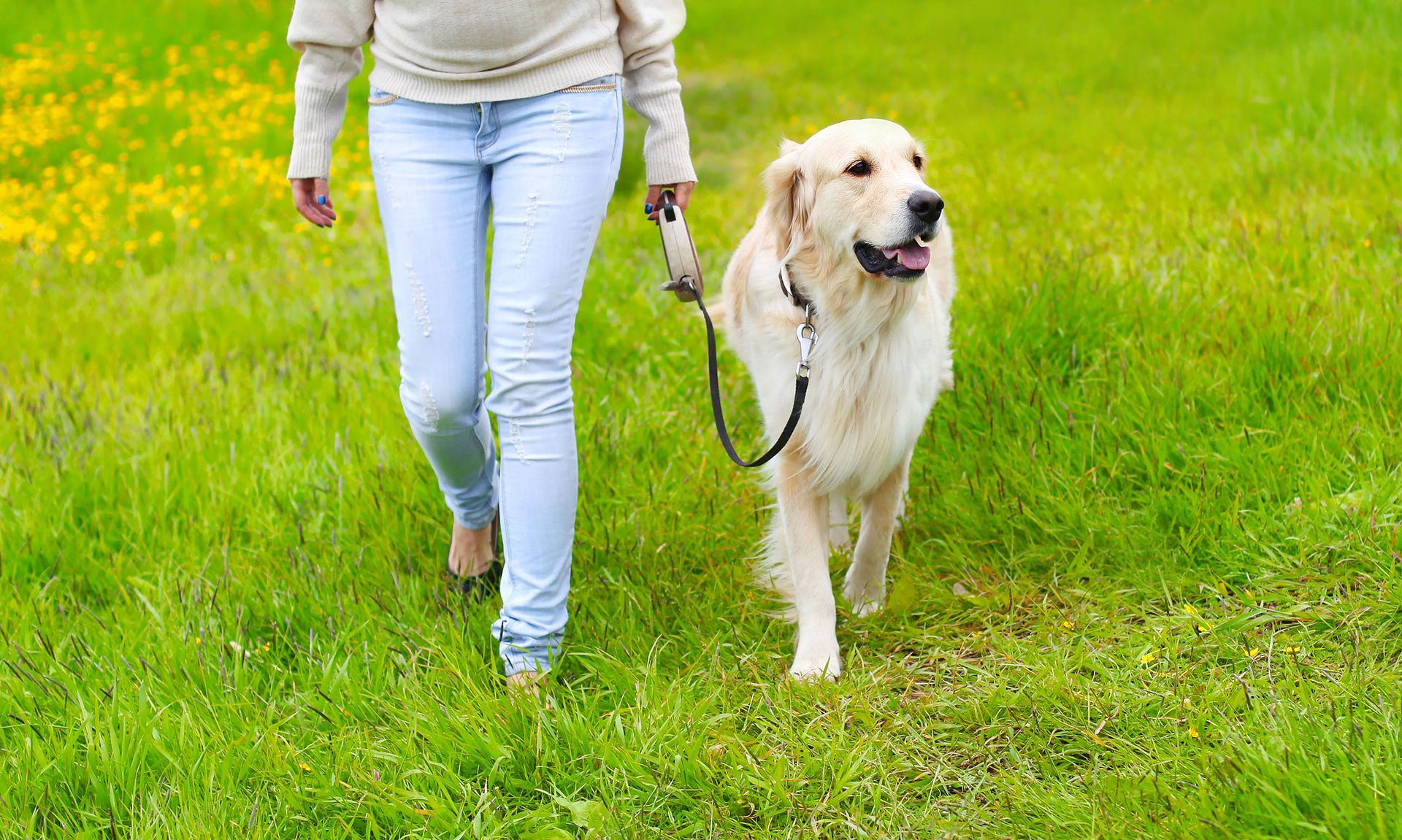
Walking a dog should be an enjoyable activity, but leash pulling can make outings stressful for both pets and owners. Many dogs pull because they are excited by sights, smells, or other animals around them. Without proper training, this behavior can become a regular habit that is difficult to correct. Teaching dogs proper leash manners requires patience, consistency, and clear expectations during every walk. Training techniques focus on encouraging dogs to stay near their owners instead of constantly moving ahead. Over time, dogs learn that calm walking behaviors lead to positive experiences. Better leash skills also improve safety by giving owners greater control in different environments. A knowledgeable dog trainer can help develop strategies that make walks more comfortable and enjoyable for everyone involved.
Manage Jumping and Overexcitement
Jumping is a common behavior problem because many dogs naturally seek attention through physical interaction. While this behavior may seem harmless, it can become problematic when dogs jump on guests, children, or unfamiliar people. Training teaches dogs alternative ways to greet others while encouraging calmer responses. Instead of rewarding excitement with attention, owners learn how to reinforce polite behaviors. Consistency is especially important because mixed signals can make it harder for dogs to understand expectations. A dog that receives different reactions from different people may continue jumping because the behavior occasionally receives a reward. Structured training helps replace unwanted habits with more appropriate greetings. Working with a dog trainer provides owners with practical techniques for improving manners and encouraging better social interactions.
Address Separation Anxiety Concerns
Separation anxiety can create significant challenges for both dogs and their owners. Dogs experiencing anxiety may become destructive, vocal, or distressed when left alone for periods of time. These behaviors often develop from fear or uncertainty rather than intentional disobedience. Training focuses on gradually building confidence and helping dogs feel more comfortable when separated from their owners. Creating predictable routines and encouraging independence can reduce stress-related behaviors. Professional guidance helps owners understand the difference between normal attachment and more serious anxiety concerns. Training plans may involve gradual exposure, positive reinforcement, and environmental adjustments. A professional dog trainer can help owners support their pets while developing healthier coping habits.
Build Better Social Skills
Socialization plays an important role in helping dogs interact appropriately with people, animals, and new environments. Dogs that lack positive experiences may become fearful, overly excited, or reactive in unfamiliar situations. Proper training introduces controlled experiences that help dogs develop confidence and appropriate responses. Social skills allow dogs to handle everyday situations such as meeting visitors, walking in public areas, or encountering other animals. Training also teaches dogs how to remain focused despite distractions. Positive experiences during social development can influence behavior throughout a dog's life. Owners benefit from learning how to introduce new situations safely and effectively. A skilled dog trainer helps create structured opportunities for dogs to improve confidence and social awareness.
Strengthen Obedience and Focus
Obedience training provides dogs with important skills that improve safety and everyday interactions. Commands such as sit, stay, come, and leave it help owners manage situations more effectively. These skills become especially valuable in environments with distractions, unfamiliar people, or potential hazards. Training encourages dogs to focus on their owners rather than reacting impulsively to surroundings. Regular practice reinforces positive behaviors and creates reliable responses over time. Obedience is not about controlling a dog's personality but about helping pets understand boundaries and expectations. Consistent training also provides mental stimulation that keeps dogs engaged and confident. Professional support from a dog trainer helps owners establish effective routines that encourage long-lasting obedience.
Create Long-Term Behavior Improvements
Lasting behavior changes require consistency, patience, and continued reinforcement after initial training sessions are complete. Dogs learn best when expectations remain clear and rewards are provided for appropriate choices. Owners play an important role by maintaining routines and practicing learned skills regularly. Training should become part of everyday life rather than a temporary solution for specific problems. Addressing behaviors early can prevent them from becoming more difficult habits later. Professional instruction gives owners the tools needed to continue supporting their dogs after formal sessions end. A well-trained dog often experiences greater confidence because it understands how to respond in different situations. Investing in training creates benefits that continue throughout the dog's life while strengthening the connection between pets and their families.
Every dog has the ability to learn better behaviors with the right guidance, structure, and consistent support. American Alpha K9 Training helps owners address common behavior challenges while developing stronger communication and understanding with their dogs. Whether you are working on obedience, social skills, or everyday behavior concerns, professional training can provide valuable solutions tailored to your dog's needs. Contact us today to learn how an exceptional dog trainer can help create a more balanced and positive relationship with your pet.