April 16, 2026
Starting training for your dog is an exciting step that can improve communication, strengthen your bond, and help your pet develop positive behaviors. Whether you have a new puppy or an older dog with habits you'd like to address, working with a professional can make a noticeable difference. Many pet owners feel unsure about what will happen during that first appointment, especially if they have never worked with a dog trainer before. Understanding what to expect can help you feel more comfortable and prepared.
Your first session is typically focused on evaluation, education, and setting a clear path forward. It is less about immediate results and more about building a foundation for success. According to Dogster, 8% of dog owners choose to enroll their dogs in obedience classes. This highlights how many people are turning to structured training to support their pets' development. In this article, we will walk through what usually happens during your first session and how to make the most of it.
Preparing for Your First Training Session
Before the session even begins, preparation plays an important role in how smoothly things go. Most trainers will provide guidance ahead of time, such as bringing treats, a leash, and any tools your dog already uses. It is helpful to choose a time when your dog is well-rested and not overly hungry or distracted. This can help them stay focused and responsive throughout the session.
You may also be asked to avoid intense exercise or stimulation right before the appointment. A calm but alert dog is usually in the ideal state for learning. Taking a few minutes to think about your goals can also make a big difference. Whether you are working on basic obedience, leash behavior, or more specific concerns, sharing your priorities with the dog trainer helps shape the session in a meaningful way.
Meeting Your Trainer and Discussing Goals
The first portion of the session often begins with a conversation. The dog trainer will want to learn about your dog's history, personality, and any behavioral challenges you have noticed. This discussion gives them valuable insight into what may be influencing your dog's behavior and how to approach training effectively.
During this time, you will also have the opportunity to ask questions and explain your expectations. Being open and honest is important, even if some behaviors feel frustrating or embarrassing. The more information you provide, the easier it is for the dog trainer to develop a plan that fits your dog's needs and your lifestyle.
Evaluating Your Dog's Behavior and Temperament
After the initial conversation, the trainer will usually observe your dog in different situations. This evaluation might include basic commands, reactions to new environments, or how your dog interacts with you and others. The goal is to identify patterns, triggers, and strengths that can guide the training process.
This part of the session is not about judgment but about understanding. Every dog has a unique temperament, and recognizing that individuality is key to effective training. The dog trainer may test simple cues or introduce mild distractions to see how your dog responds, helping them determine the best approach moving forward.
Introducing Basic Techniques and Commands
Once the evaluation is complete, the trainer will often begin demonstrating basic techniques. These may include foundational commands such as sit, stay, or recall, depending on your dog's current level of training. The focus is usually on teaching you how to communicate clearly with your dog rather than expecting perfection right away.
You will likely be guided through each step so you can practice alongside your dog. This hands-on approach allows you to learn timing, consistency, and reinforcement strategies. The dog trainer may also explain why certain techniques work, helping you understand the reasoning behind the training process.
Learning How to Reinforce Positive Behavior
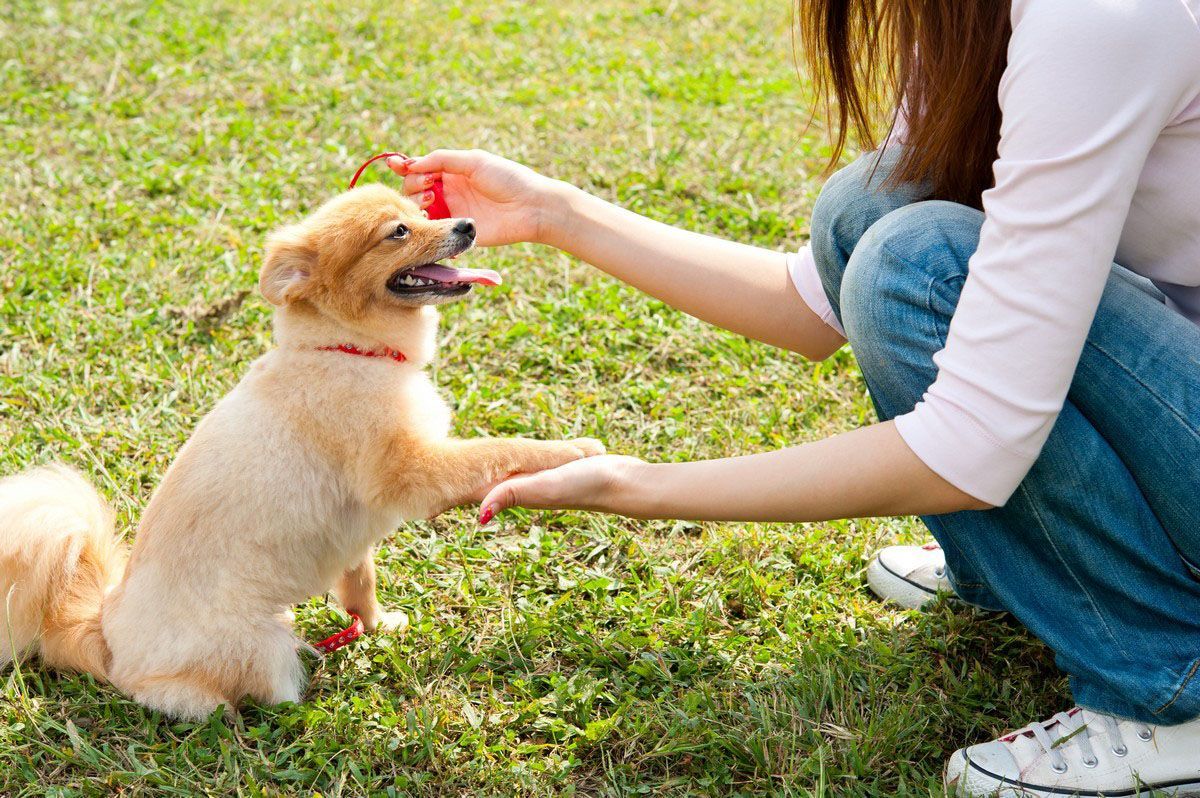
A major part of most training sessions involves positive reinforcement. This means rewarding your dog for desired behaviors to encourage them to repeat those actions. Treats, praise, and toys are commonly used as motivators, depending on what your dog responds to best.
During your first session, you will learn how to apply rewards effectively. Timing is critical, and the trainer will show you how to mark behaviors at the right moment. By practicing these techniques, you begin to build a system that supports ongoing progress at home.
Addressing Problem Behaviors and Concerns
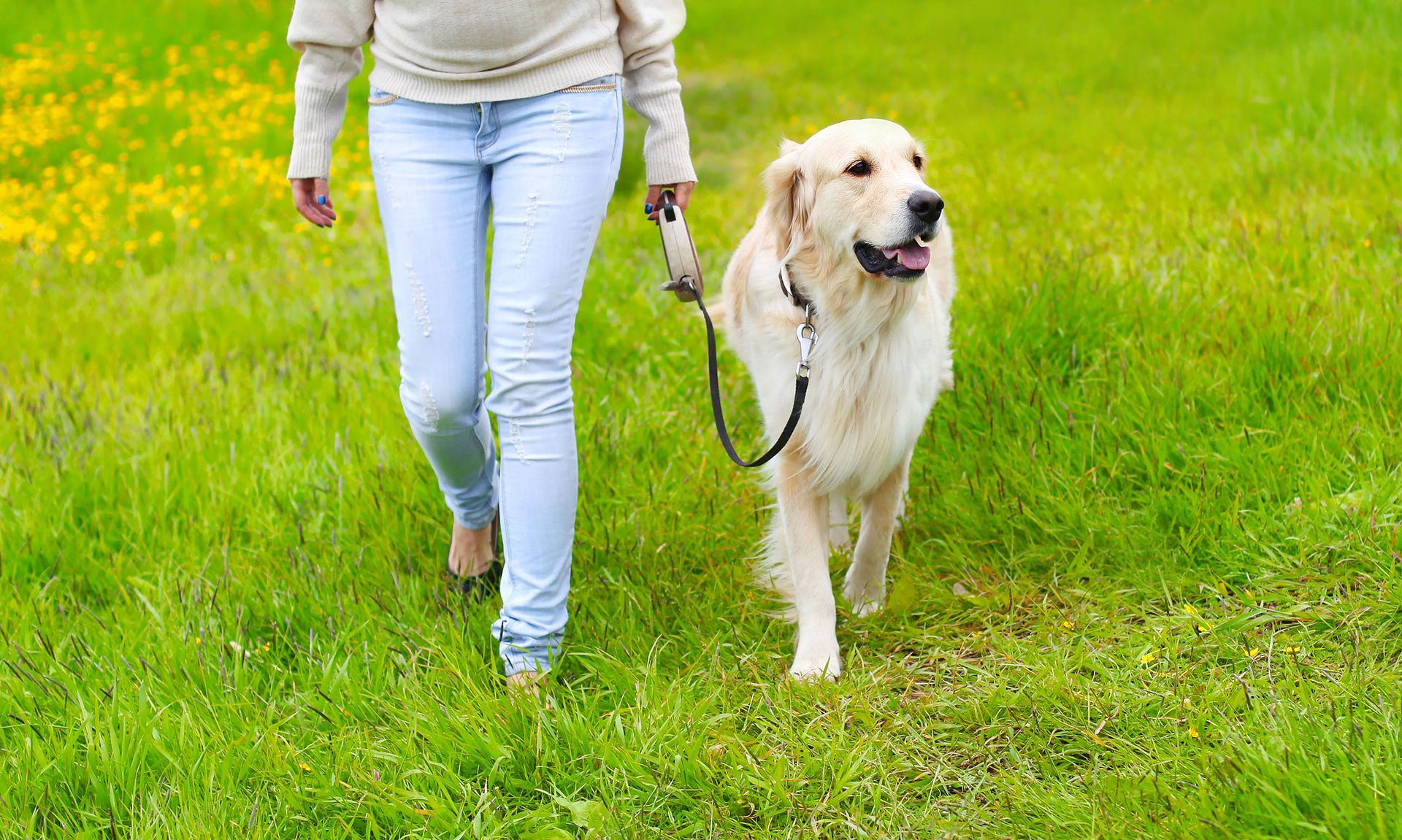
If your dog has specific behavioral issues, such as jumping, barking, or pulling on the leash, the trainer may begin addressing them during the first session. They will typically explain the root causes of these behaviors and demonstrate strategies to manage or redirect them.
It is important to remember that behavior change takes time. The first session is often just the beginning of a longer process. The dog trainer may introduce simple exercises or adjustments that you can continue practicing between sessions, setting the stage for gradual improvement.
Practicing Skills With Guided Support
Practice is a key part of the learning process, and your first session will likely include hands-on repetition. The trainer will guide you as you work through exercises with your dog, offering feedback and adjustments along the way. This helps build your confidence and reinforces proper technique.
You may be encouraged to repeat certain exercises multiple times to help your dog understand what is expected. The trainer's guidance during this stage is valuable, as it allows you to correct mistakes early and build good habits from the start.
Receiving a Personalized Training Plan
At the end of the session, most trainers will provide a plan for moving forward. This may include specific exercises, recommended routines, and tips for practicing at home. Having a clear plan makes it easier to stay consistent and track your progress over time.
The dog trainer may also suggest how often to schedule future sessions and what goals to focus on next. Consistency is one of the most important factors in successful training, and following the plan can help you see steady improvement.
Understanding Your Role in the Training Process
One of the most important takeaways from your first session is recognizing your role in your dog's training. While the dog trainer provides guidance and expertise, your daily interactions with your dog have the greatest impact. Training does not stop when the session ends.
By practicing regularly and maintaining consistency, you help reinforce what your dog has learned. This ongoing effort strengthens communication and builds trust between you and your pet. Over time, these small, consistent actions can lead to meaningful changes in behavior.
Building Confidence for Future Sessions
Your first session is as much about building your confidence as it is about teaching your dog. It is normal to feel uncertain at first, but working with a professional can help you feel more capable and informed. As you continue training, you will likely become more comfortable applying techniques and reading your dog's behavior.
Future sessions will build on what you have learned, introducing new skills and refining existing ones. With each step, both you and your dog will grow more confident, making the training process more enjoyable and effective.
Training your dog is a journey that requires patience, consistency, and commitment. The first session sets the tone for everything that follows, giving you the tools and knowledge needed to move forward with clarity. If you are ready to take the next step in improving your dog's behavior and strengthening your bond, reach out to American Alpha K9 Training today and start building a better experience for both you and your pet.